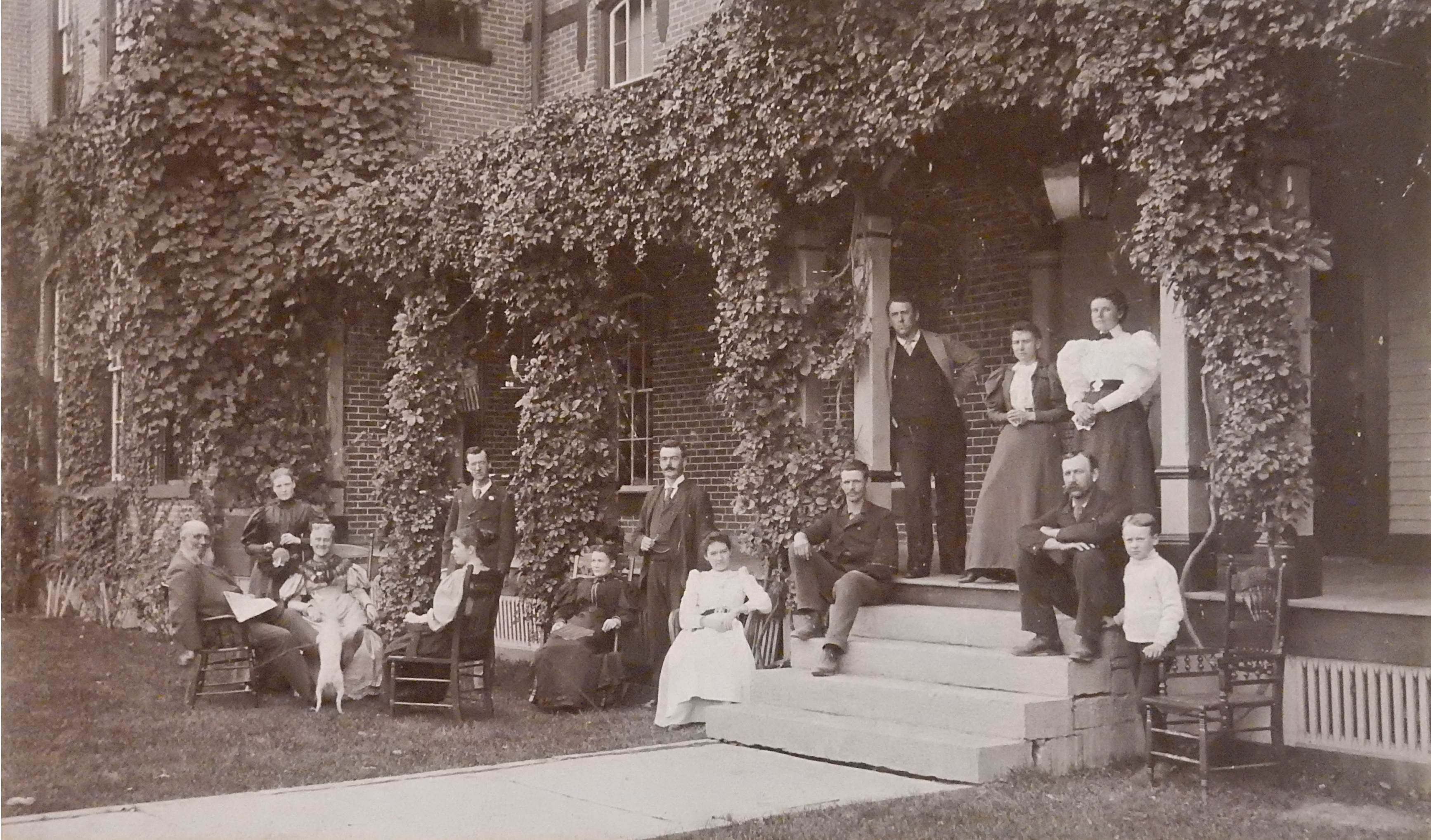
Vermont’s juvenile reformatory was what Erving Goffman calls a “total institution.” While supporters of the institution made much of the fact that neither high walls nor barred windows prevented inmates from walking away (and runaways were, in fact, a perennial problem) the institution was a contained world, where inmates were stripped of prior attachments and identities and remade in the highly regimented and dehumanizing environment of the reformatory.
An important feature of total institutions, according to Goffman, is their separateness from the broader society. Not only were inmates made to feel their separateness from society; outsiders were limited in their ability to perceive what was going on inside. This did not prevent outsiders from commenting extensively on the institution. Stories about the reformatory frequently appeared in Vermont newspapers and in the discourse of politicians and other civic leaders. If such stories reveal little about how the institution actually functioned — it was, after all, a world apart — what might they reveal about the cultural meanings that other Vermonters attached to the state’s school for delinquent and dependent youth?
If the Vermont reformatory story is a genre — one that promised to reveal the inner workings of an obscure institution — several subgenres exist. These include the laudatory tale, the unannounced visitor’s account, and the exposé. With greater frequency as time went on, they also included inmate and survivor stories.
Invariably, penal institutions reflect the broader society’s values and concerns. Beyond their laudatory, reassuring, and/or sensational content, what do the story types linked below suggest about the broader public’s anxieties and aspirations as they relate to the history of Vermont’s industrial school?
| The Laudatory Tale | The Unnanounced Visitor’s Account | The Exposé | Inmate Stories |
